

Fresh for You: What the Heck is Oca?
Catherine Dwelley | Posted on |
Fresh for You!
What the Heck is Oca?
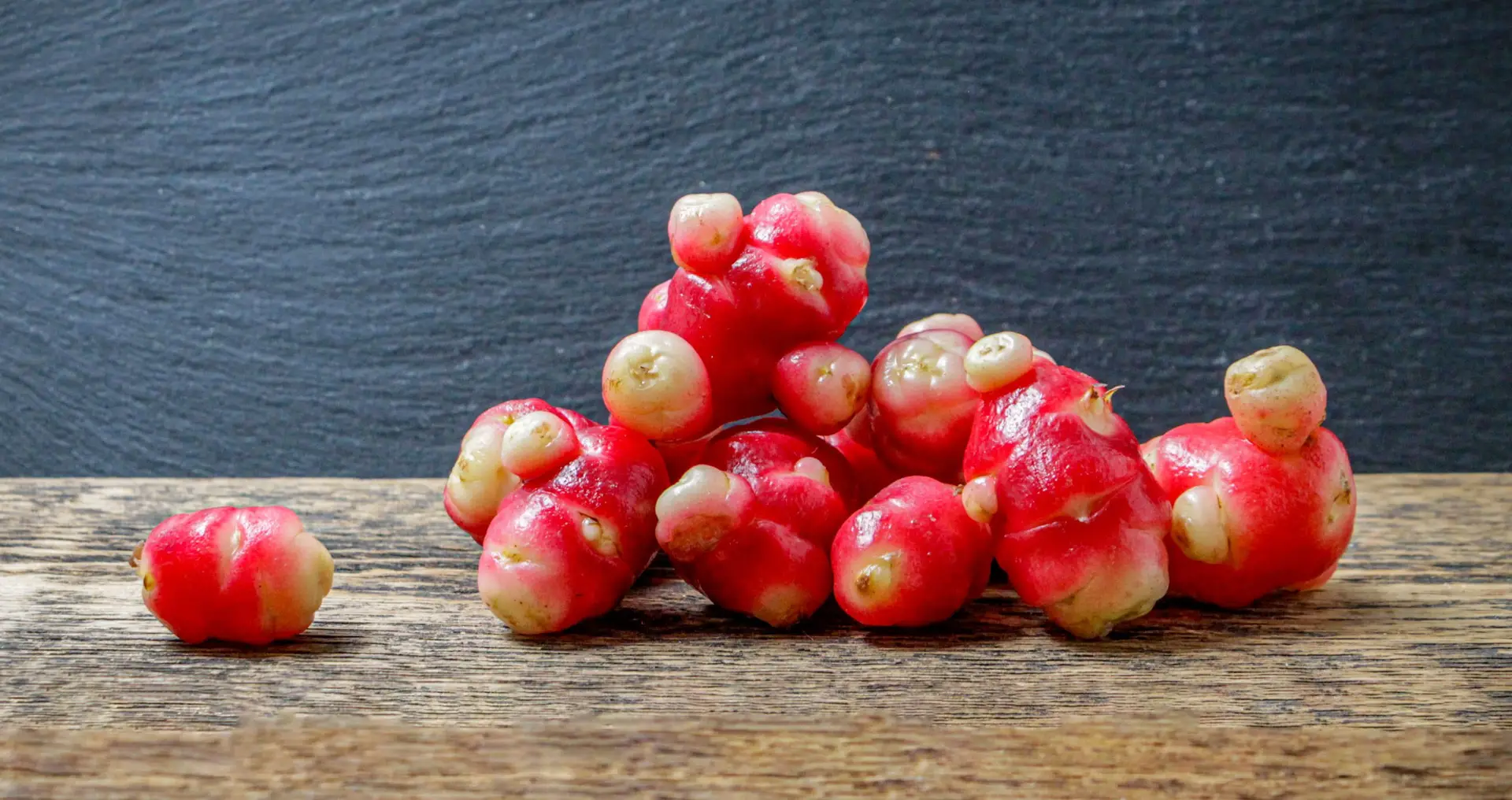
Sometimes something new lands in our produce department and we just have to share! For the first time in over five years, we recently received some oca. We’re really excited for you to try it!
So… what is oca, anyway?
Oca is a starchy tuber originally from the Andes of South America. In its homeland, oca comes in a wide range of colors; our current stock is a glorious blushing apricot color. It is widely grown in the Andean region and as a root crop is second only to potatoes there. In the last few decades it has gotten quite popular in New Zealand / Aotearoa, where it is called, confusingly, “yam.” (It’s not a yam. It’s actually pretty closely related to wood sorrel and Oregon oxalis.)
What does it taste like?
But what can you do with it? Pretty much anything you can do with a potato you can also do with oca. They’re great fried or roasted in olive oil, or try lightly steaming them. It is fairly high in oxalic acid (but not as high as vegetables like spinach), so it can have a pleasant, slightly sour taste. Think a potato with sour cream, except there’s no sour cream. Another big difference from potatoes is that oca is also edible raw, so think about slicing them thinly and using them in a salad. Raw, they taste lemony and crisp, with a hint of starch.
What is traditionally done with oca?
In its native Andes, oca is most commonly used in soups and stews, or baked, roasted, or steamed.
Why is it so hard to find?
Oca is daylength-sensitive, which means that it won’t start making tubers until the days are shorter than twelve hours. For us, that’s after the autumn equinox. Unfortunately, oca is also sensitive to frost, so if it gets cold too soon after the equinox, oca plants may not produce tubers at all. That makes it a risky crop for growers in most of North America. On the other hand, oca is abundant in the tropical highlands of South America, where the days are always short and fairly cool, but never cold. Plant breeders are working on varieties that are less sensitive to daylength, so it’s possible that oca will become a more common sight in coming years. For now, though, it’s a rare treat, so get it while you can!
The short & sweet on oca:
- What it is: A starchy Andean tuber, similar to a potato
- Flavor: Mildly tangy, bright, and pleasantly sour
- How to use it: Roast, fry, steam, bake, add to soups—or slice it raw for salads
- Why it’s rare: Tricky growing conditions and frost sensitivity
- Why to try it now: We don’t get it often—this is a limited-time treat!






2 Comments
Most interesting article about the Oca.
I can’t wait to try it a few ways, as suggested.
Thank you Lifesource 💕
You had me at “starchy tuber.”
These were tasty roasted with a couple of carrots, with olive oil, salt, and pepper. Served with MOB Sauce Peruvian Verde on the side to complete the Andean theme.